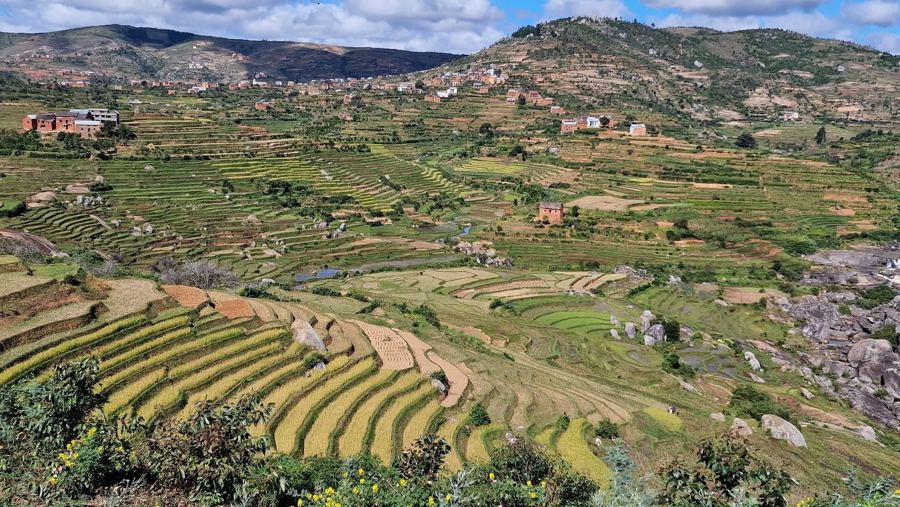
The RN7, from the Highlands to the lagoon
Terraced rice fields, Ambositra craftsmen, Ranomafana park, Isalo canyons and Ifaty beaches.
Antananarivo · Antsirabe · Fianarantsoa · Isalo · Toliara
Request this tour →Local agency · Andrainarivo, Antananarivo
Tailor-made tours, driver-guides and itineraries planned on the ground.
Tour ideas
Every itinerary is a starting point. We adapt it to your dates, your budget and the way you like to travel.
Terraced rice fields, Ambositra craftsmen, Ranomafana park, Isalo canyons and Ifaty beaches.
Antananarivo · Antsirabe · Fianarantsoa · Isalo · Toliara
Request this tour →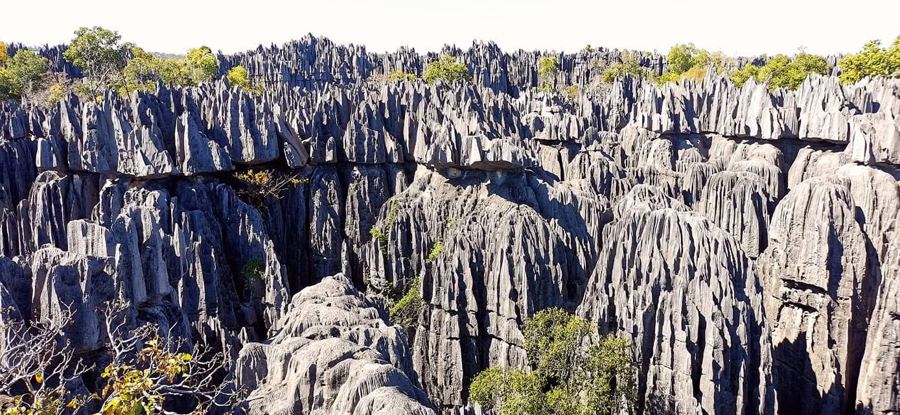
Sunset on the Avenue of the Baobabs, a trip down the Tsiribihina river and the Bemaraha stone forest.
Morondava · Kirindy · Bekopaka · Tsingy de Bemaraha
Request this tour →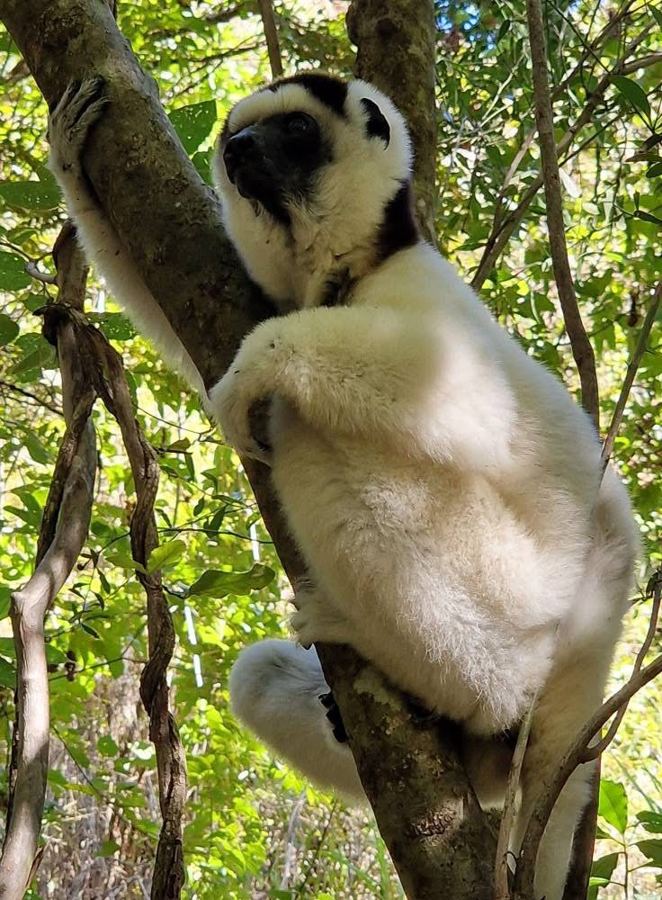
The song of the indri at dawn in Andasibe, then dugout canoes and quiet lakes on the East coast.
Andasibe · Vakona · Pangalanes · Toamasina
Request this tour →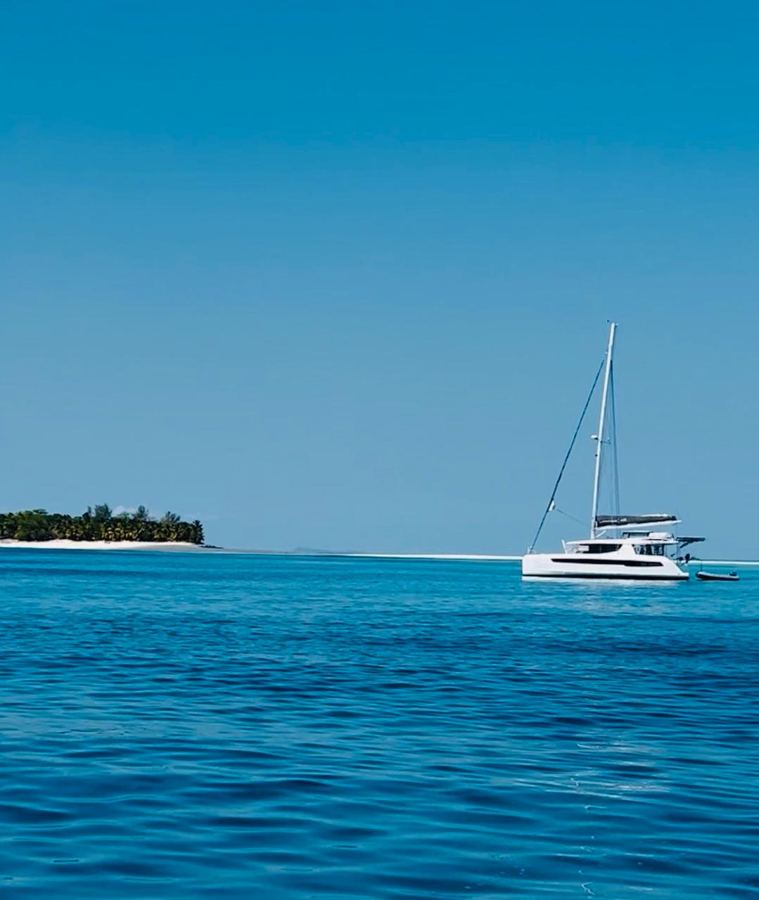
Turquoise lagoons, Nosy Iranja, Nosy Komba and its lemurs, diving and relaxing.
Nosy Be · Nosy Komba · Nosy Tanikely · Nosy Iranja
Request this tour →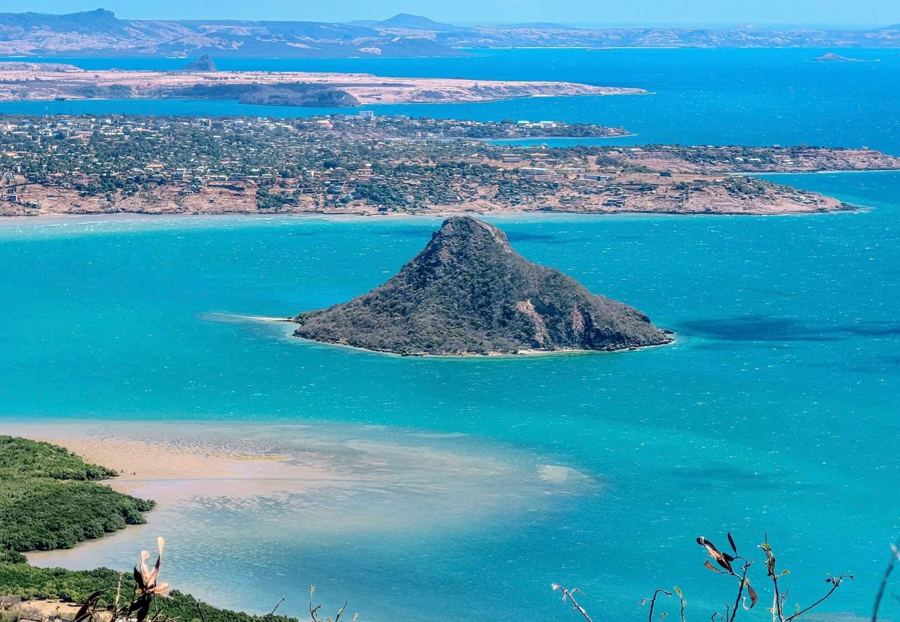
Emerald Sea, Red Tsingy, Ankarana massif and Amber Mountain, all the way to Nosy Be.
Diego Suarez · Ankarana · Amber Mountain · Ankify
Request this tour →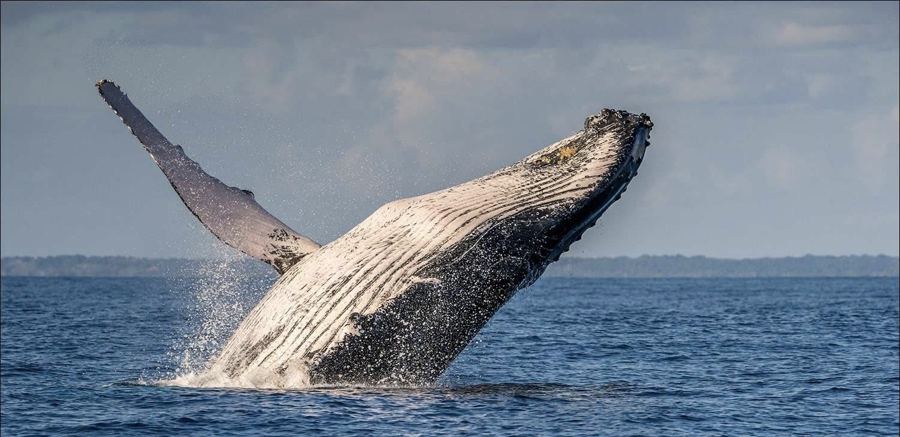
Humpback whale watching, coconut palms, Île aux Nattes and pirate history.
Antananarivo · Sainte-Marie · Île aux Nattes
Request this tour →What we organise
You tell us what you want to experience. We take care of the roads, the bookings and the unexpected.
An itinerary built with you, step by step, and adjustable until departure.
4x4 or minibus depending on the roads and group size, with an experienced driver.
Welcome at Ivato airport, transfers to your hotel and bus stations.
Boutique hotels, lodges and simple guesthouses, to suit your budget.
Local guides in the national parks: Andasibe, Isalo, Ranomafana, Ankarana.
A pace suited to children, trips with friends, groups and seminars.
About us
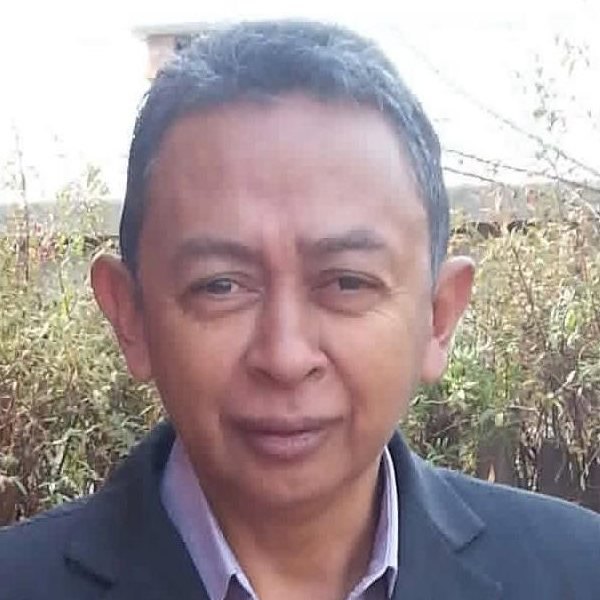
Jean Noël spent 30 years as a field guide all over the Great Red Island: the Avenue of the Baobabs and the Tsingy de Bemaraha and the Makay massif in the west, the RN7, Isalo and Ranomafana heading south, the Andasibe rainforest and the Pangalanes canal in the east, the SAVA region, land of vanilla, in the north-east, Ankarana and Amber Mountain in the north, where he also managed a lodge, not forgetting Nosy Be and Sainte-Marie. He knows every corner of Madagascar: the roads and tracks, the seasons, the villages and the people.
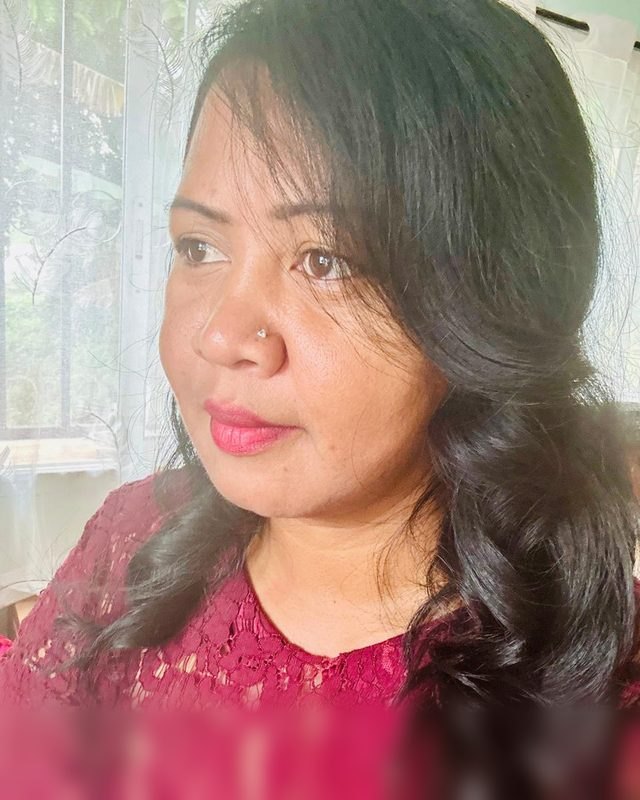
This year he launched Jean Noel Tours with his daughter to carry on the torch and pass on this experience. Around them is a young, dynamic and experienced team of about ten people who know the ground well and respond quickly to every request.

When to go
The dry season, from April to November, suits most tours. From December to March, rain and sometimes cyclones mainly affect the East coast, but the landscapes are lush and green.
Free quote
Fill in the form and we will send you a suggested itinerary and a price, with no obligation. Prefer to talk directly? Call us or message us on WhatsApp.
| Reçue le | Client | Contact | Projet | Message | Suivi |
|---|
Frequently asked questions
Yes, a tourist visa is required. You can apply online before departure (e-visa) or get it on arrival at Ivato airport; the fee depends on the length of stay and can be paid in euros, US dollars or ariary. Bring a passport valid for at least six months after your return, with at least three blank pages, a passport photo and your return ticket. On arrival, allow 30 to 45 minutes, sometimes longer in high season. Keep photocopies of your documents and take out travel insurance that includes repatriation. For long stays or multiple entries, check with the embassy, and always confirm the official fees before you travel.
No vaccination is compulsory, except yellow fever if you arrive from a country where it is present: you will then be asked for a certificate on arrival. It is advisable to have your routine vaccinations up to date (diphtheria, tetanus, polio) and to be protected against hepatitis A. Depending on the length and type of stay, hepatitis B and typhoid may also be recommended. Malaria prevention is strongly advised, especially on the coasts, along with a good mosquito repellent. Drink only bottled water. See your doctor or a travel clinic at least two months before departure.
The currency is the ariary (MGA). It cannot be exchanged outside Madagascar: you get it on arrival, at an exchange office or an ATM. An international bank card is useful in towns, but always carry some cash for markets, small shops and remote areas. Check your bank's fees for use abroad. Tips for guides, drivers and waiters are appreciated but not compulsory.
Light, quick-drying clothes, a jacket or sweater for cool evenings in the Highlands (nights can drop to around 10 °C in July and August), good walking shoes for the parks, a swimsuit, a hat, sunglasses and sunscreen. Add mosquito repellent, a small first-aid kit, a head torch and a plug adapter.
The supply is 220 V, 50 Hz, with two-pin European sockets. Travellers from the UK, the US and many other countries will need an adapter. In some remote lodges, electricity is only available part of the day.
The official languages are Malagasy and French. English is less widely spoken, but our driver-guides speak English and will translate for you throughout your trip. A few words of Malagasy, such as "Salama" (hello) and "Misaotra" (thank you), are always appreciated.
Yes. The easiest option is to buy a local SIM card on arrival, from Telma or Orange, for cheap calls and mobile data. Coverage is good in towns and along main roads, but can be weak or absent in the parks and remote areas.
Madagascar is big: more than 1,500 km from north to south, and 300 km can take 8 hours by road. The RN7, from Antananarivo to Toliara, is paved but winding; other routes, such as the track from Morondava to the Tsingy, require a 4x4. To save time, domestic flights serve Nosy Be, Diego Suarez, Toliara, Sainte-Marie, Morondava and Fort-Dauphin among others; book early as flights are limited. On the Pangalanes canals and to some islands, you travel by dugout canoe or motorboat.
Madagascar can be visited with peace of mind, especially with a guide, and Malagasy people are very welcoming. A few precautions are enough: avoid walking alone at night in Antananarivo, do not show jewellery or cameras in busy markets, keep your documents safe and avoid driving at night. Some remote areas of the far South are not recommended; we plan our itineraries accordingly and adapt them if the local situation requires.
Fill in the form or message us on WhatsApp. We send you an itinerary with a detailed price, then we adjust it together until it suits you perfectly.
Yes. We plan shorter stages, suitable accommodation and activities children love, such as meeting the lemurs.
Distances are long and many roads are dirt tracks. A driver who knows the terrain makes the trip safer and more relaxing, and shows you places that are not in the guidebooks.